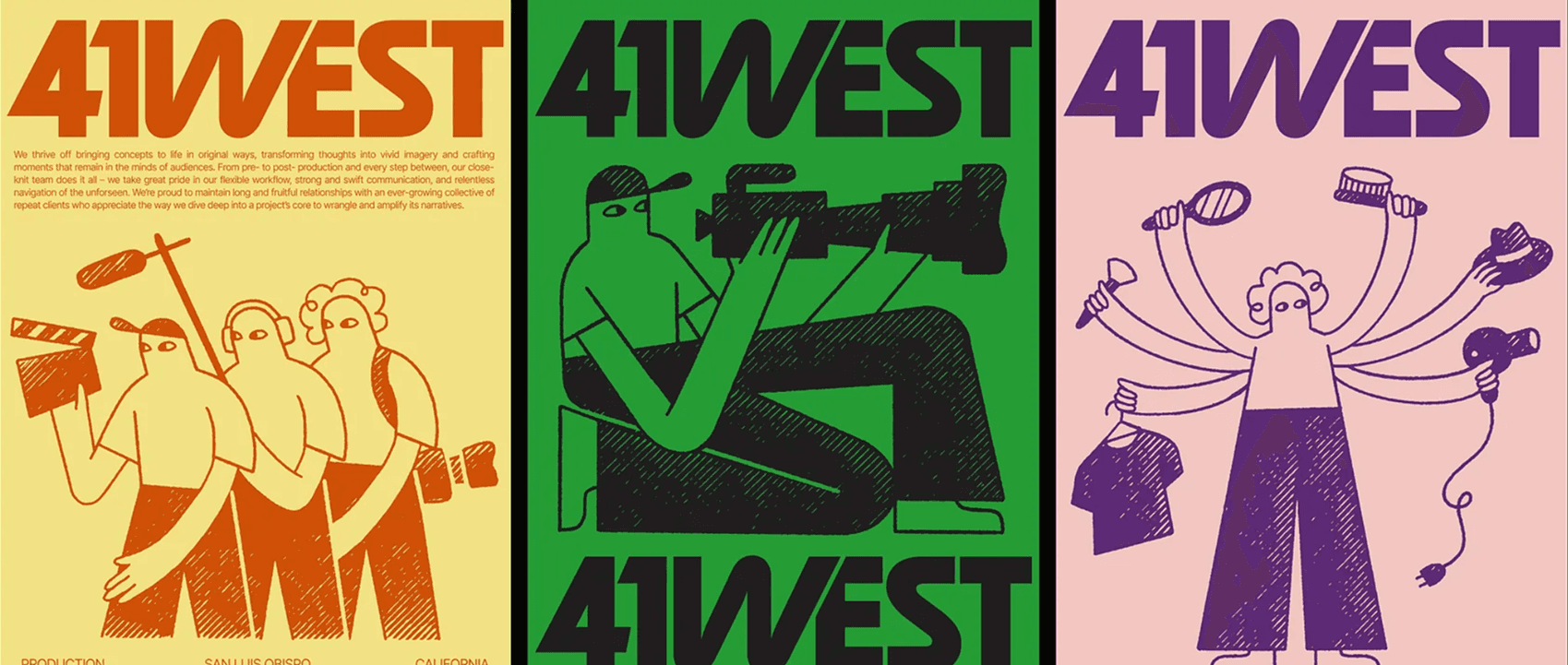
Illustration by James Dybvig for Smith & Diction's 41 West brand
The state of illustration in design
Design and illustration have always been intertwining disciplines in the world of brand and marketing. We've seen it progress from a nice-to-have to a must as brands search for ways to stand out.
The style and art direction a company uses in illustration largely determines the tone of the brand as a whole. An illustration style can position your brand as friendly, inviting, childish, techy, serious, outdoorsy, or futuristic.
Now more than ever, illustration is a powerful tool in any brand kit and can help further your story with a well chosen doodle.
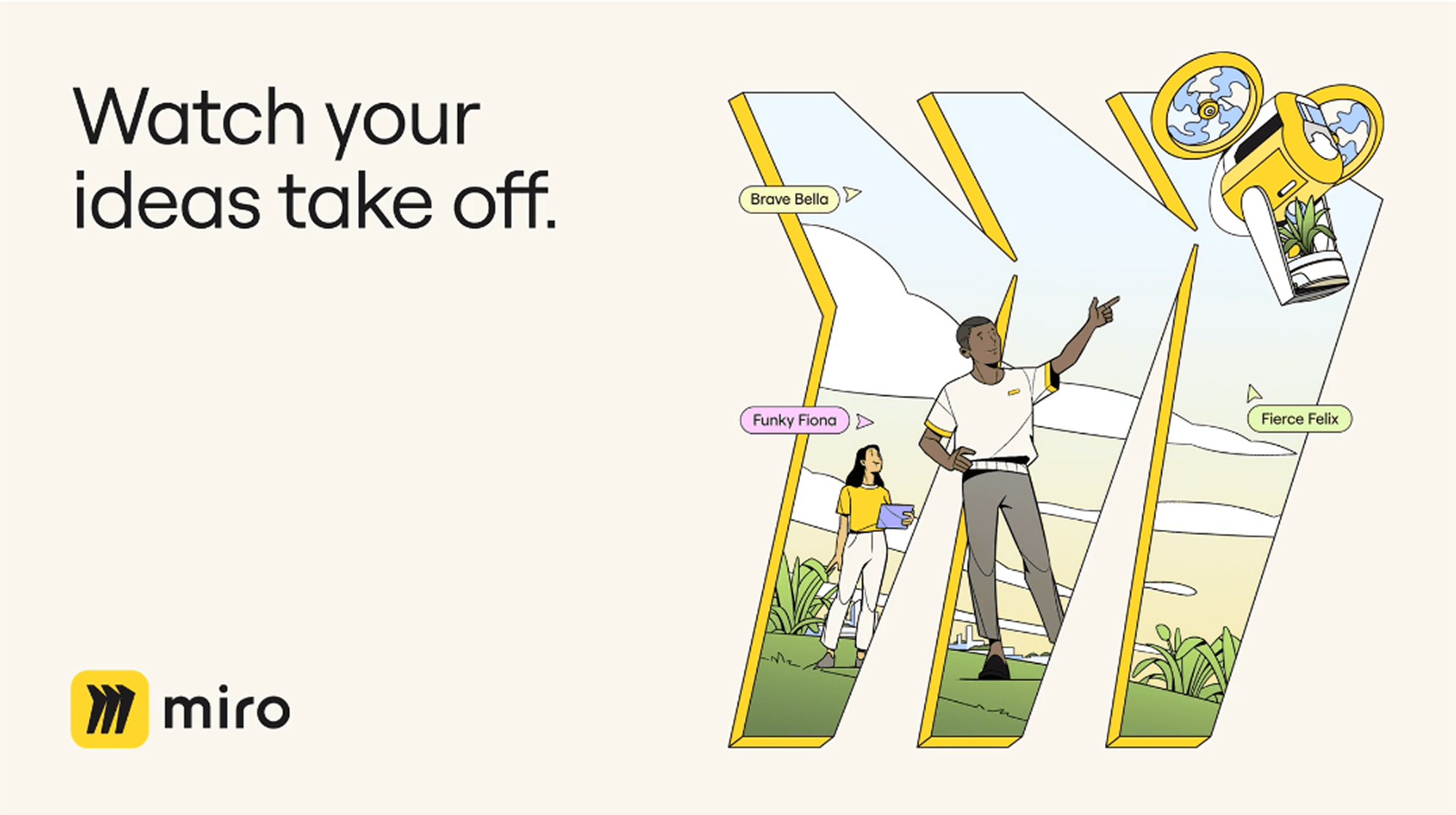
Miro's illustration style
Does a designer also need to be an illustrator?
Illustration is a niche within the visual design world. Not all designers are good illustrators, and not all illustrators can design and scale a brand.
Designers have always been asked to wear many hats. As a designer, it's important you have a nice array of skill sets that work together to aid the success of a brand. However, which of those skill sets you choose to focus your attention on should be determined by your interest in developing those skills.
Building a brand should be a collaborative effort, working with writers, designers, illustrators, and strategists that can help make the product the best it can be. Sometimes these roles overlap, but having different thinkers put their skills together may create an environment of shared inspiration that is harder to achieve in a bubble.
Even if someone is a skilled illustrator, they may be limited in the style they draw in.
Style is essential to the tone of your brand. So don't compromise and go with a style that's accessible if it isn't going to do your brand justice.
Don't be afraid to shop around, find an artist with the right style for your brand, and them bring in as a freelancer.
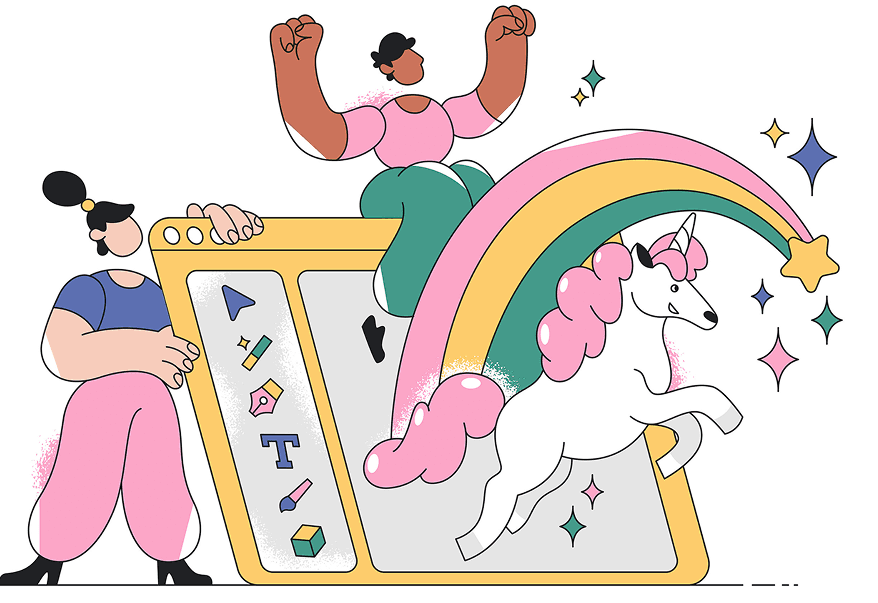
Illustration by Ivan Haidutski
Limitations of illustration in a brand
The current trend is to have very bespoke, hand drawn illustrations. Although this style is highly inviting and friendly, it's much harder to build out a comprehensive illustration library.
Handmade illustration styles are often not able to be "handed off." With a more vectorized or simplistic illustration style it's easier to other designers or illustrators to replicate.
If you hire a freelance illustrator to create a set number of illustrations for your brand, you'll need to be intentional about how and when you use them. If the illustrator only created 10 illustrations, for example, it will quickly get fatigued if you keep using those illustrations on ads, social, blog posts, your website, or webinar.
Illustrations also tell strong stories. It's your job, not necessarily a freelance illustrator who is less familiar with your brand, to figure out what messaging those illustrations need to align with. Don't use illustrations just because they're pretty — they need to further the story you're telling in your messaging. Like any visual, it needs to do some heavy lifting by way of communication.
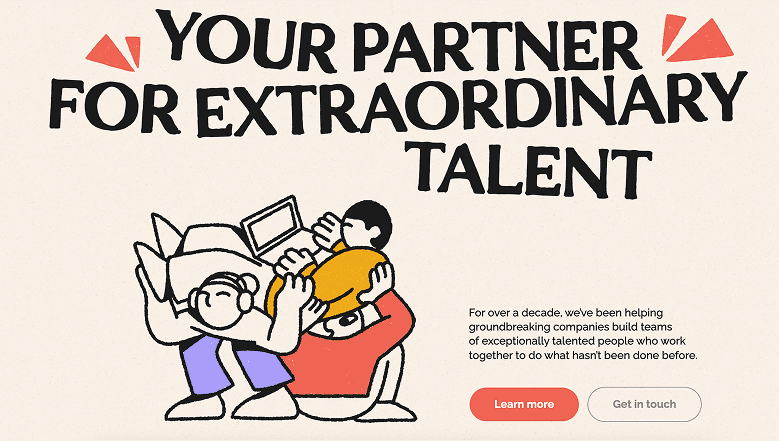
Illustration by Con McHugh for Purpose Talent
Trade offs, bespoke vs. modular
As beautiful as hand drawn illustrations are, they can be difficult to scale across a large, multi-channel brand. They're usually created in a program such as Procreate, and are therefore raster, not vector. This means they are unable to edit, or easily change color, unless brought into Illustrator and traced over.
The benefit of a vectorized, or more simplified styles of illustration, are their modularity. This means the illustration is editable and can be modified and re-arranged to create new compositions.
Vectorized, modular, or more geometric styles of illustrations can likely be replicated by designers that are not illustrator-first artists. Their edit-ability and reusability allows them to show up in more brand assets without it feeling repetitive and stale.
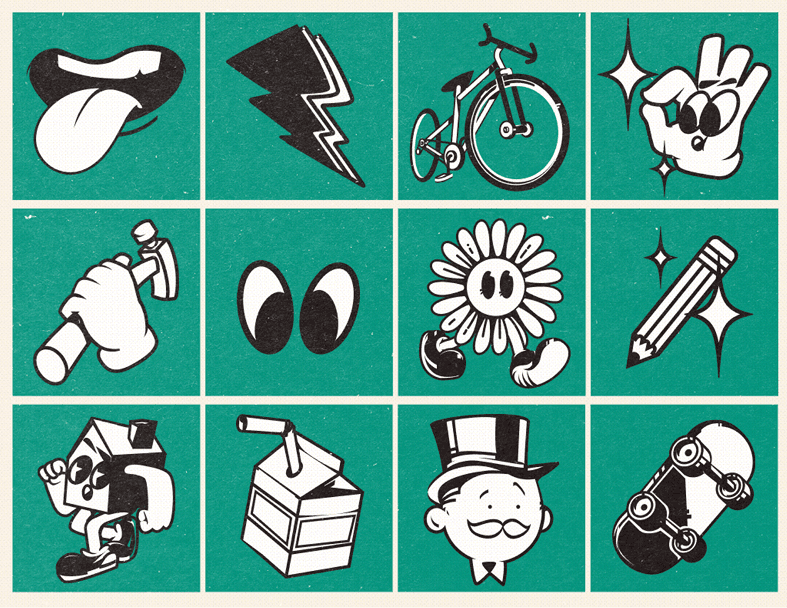
Illustrations by Angèle Bappel
Things to consider when choosing an illustrator and illustration style
What's the tone of your brand? Who are the types of people you're trying to attract?
Which illustration style aligns to the tone you've establish through voice, photography, shape, color, and other brand elements?
What is your budget? How many illustrations can you realistically afford to get created? Will you have the resources to go back to that illustrator if you need new illustrations later on?
How large is your company? How many asset types will these illustrations need to be used within?